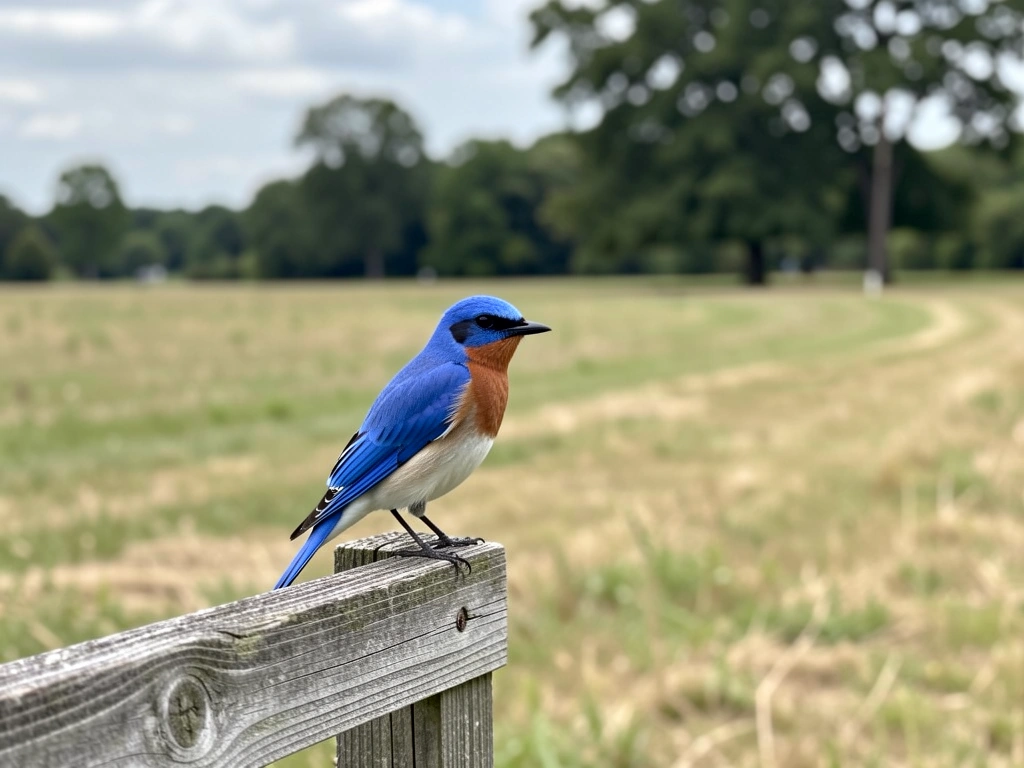
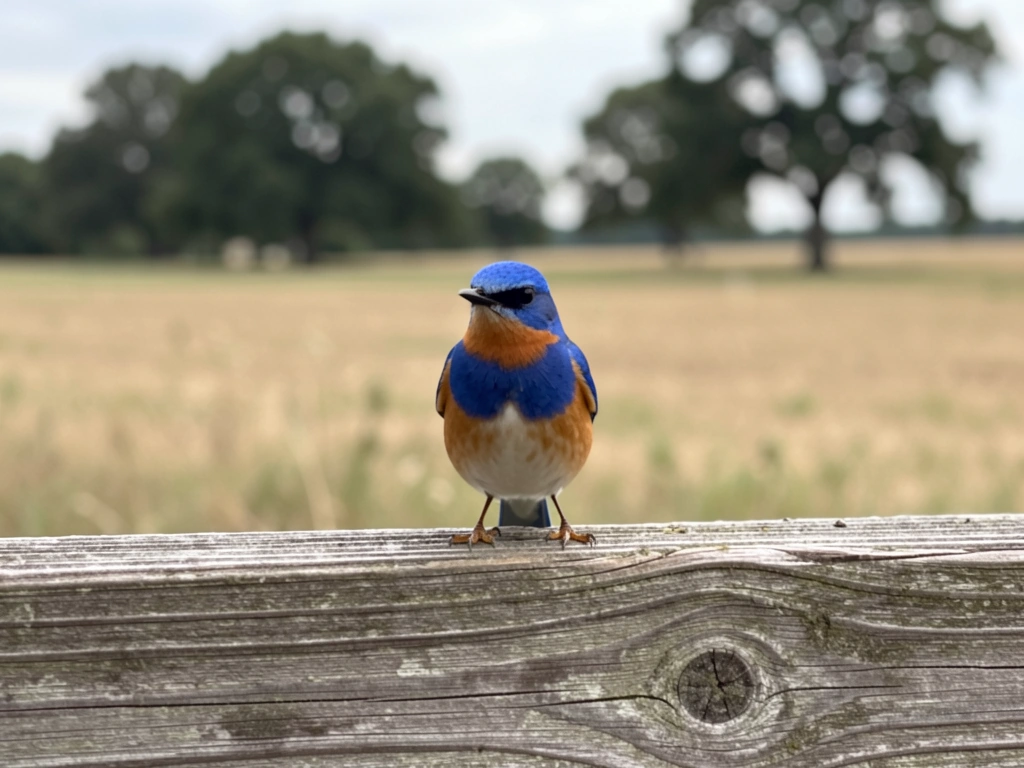
New York State's official state bird is the Eastern Bluebird (Sialia sialis). That's the direct answer. It's been the official state bird since 1970, when Governor Nelson Rockefeller signed the bill into law. If you're double-checking for a quiz, a school project, or just satisfying curiosity, you can stop right there — Eastern Bluebird, named in 1970.
What Is New York State Bird? Official Answer and Facts

Marcus Webb
23 Mar 2026
New York State vs. New York City: clearing up a common mix-up
If you searched for "New York City's state bird" or "state bird of NYC," here's the thing: New York City doesn't have its own state bird. State birds are designated at the state level, not the city level. NYC has official city symbols (its seal and flag are the big ones), but there is no separate bird designation for the five boroughs. The Eastern Bluebird is the official bird of New York State, which includes New York City as part of it. So if someone asks what bird represents New York, the Eastern Bluebird is your answer regardless of whether the conversation is about Buffalo, Albany, or Manhattan.
What about the "national bird" angle?
You might come across the phrase "national bird of New York," but that's not really how the designation works. "National bird" refers to a bird chosen at the country level, not the state level. The United States officially named the Bald Eagle as its national bird when President Biden signed that designation into law on December 24, 2024. New York State has its own separate designation, called a state bird, and that's the Eastern Bluebird. There's no such thing as a "national bird of New York State" as a formal category. The correct term is state bird, and the correct bird is the Eastern Bluebird.
How to verify it yourself in about 60 seconds
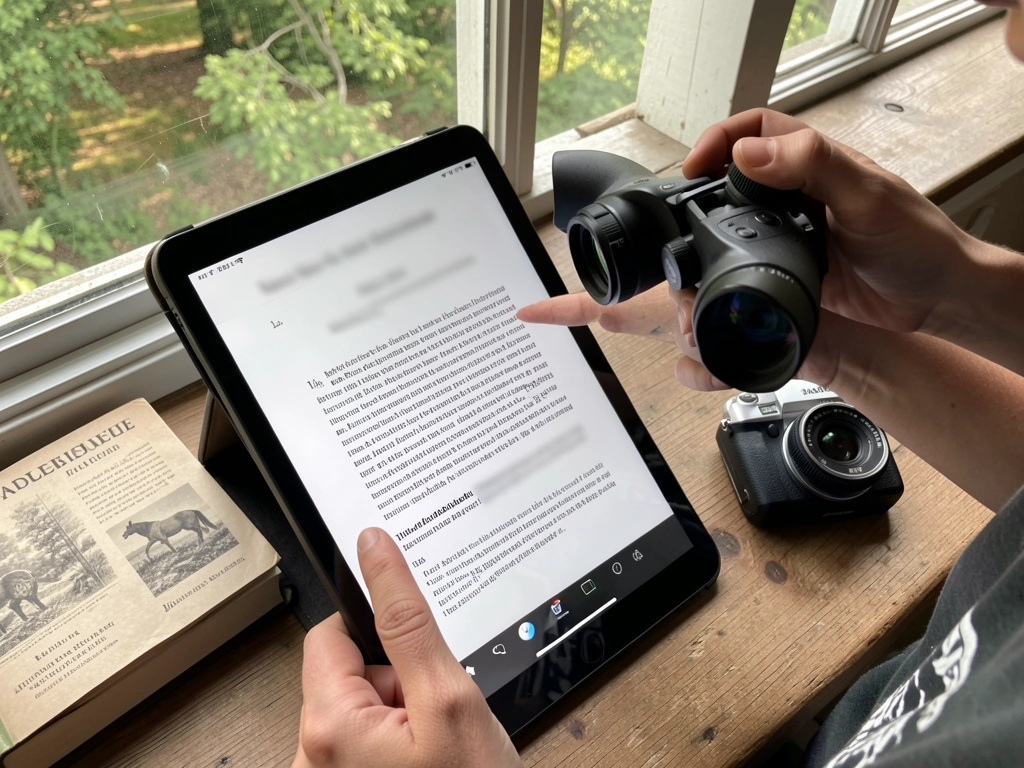
If you want to confirm this directly from official sources rather than taking anyone's word for it, here are the most reliable places to check:
- NY Senate Open Legislation (STL § 78): The actual state law reads, "The bluebird (Sialia Sialis) shall be the official bird of the state of New York." This is the primary legal source and the fastest way to settle any debate.
- New York State Library (NYSL) Emblems page: Quotes the exact statute and lists the Eastern Bluebird alongside other official state symbols like the state flower and animal.
- NYSDEC Symbols of New York State page: The state's environmental agency lists the state bird under its official symbols section.
- NYSDEC Eastern Bluebird (Watchable Wildlife) page: Goes one step further and gives you the year (1970) alongside species identification details.
All four sources are government or government-adjacent, and they all say the same thing. If you find a source claiming something different, cross-check it against the actual statute text (STL § 78) and you'll have your answer.
Quick facts about the Eastern Bluebird
What it looks like
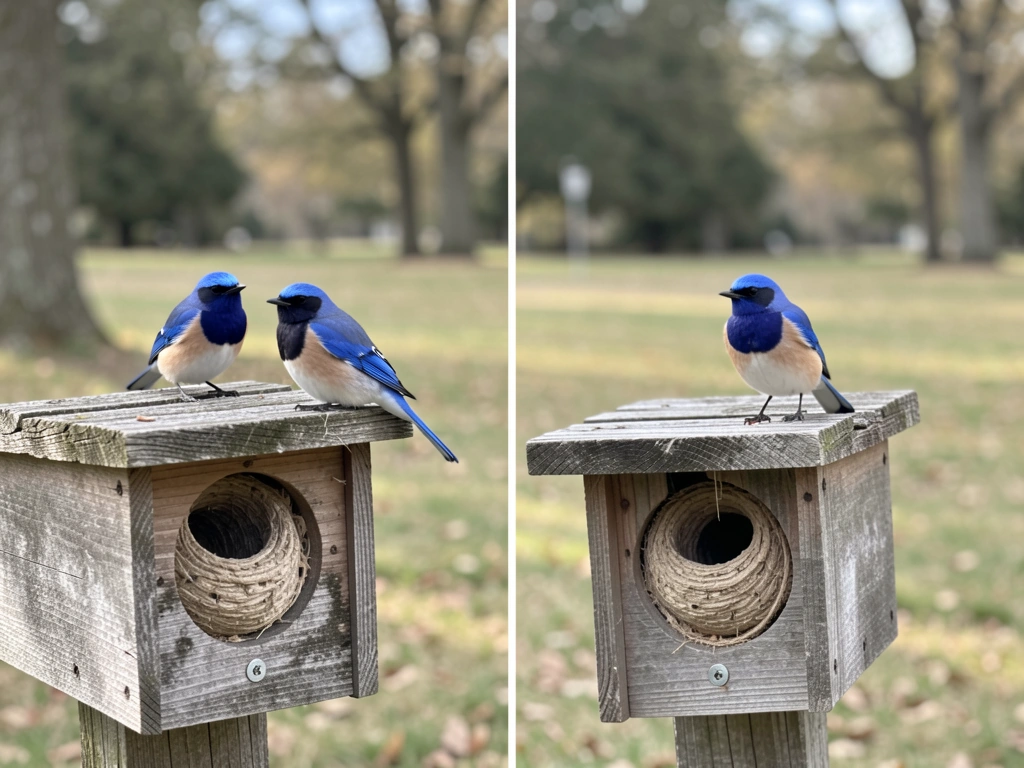
The Eastern Bluebird is a small thrush, easy to recognize once you know what to look for. Males are striking: bright blue on the head, back, wings, and tail, with a warm rusty-orange on the throat and chest, and a clean white belly. Females are subtler, with grayish-blue upperparts, a pale orange wash on the breast, and a less vivid overall appearance. Juveniles have a spotted breast similar to other thrushes. In the field, the combination of blue and orange on a robin-sized but much smaller bird is pretty distinctive.
How it behaves
Eastern Bluebirds are cavity nesters, which means they rely on holes in trees or nest boxes to raise their young. Both parents bring food to the nestlings, and the species is well known for adapting to nest boxes put up by humans, which has helped populations recover. For food, they're primarily insect hunters: grasshoppers, crickets, and other arthropods make up a large portion of their diet, and they have a distinctive foraging style of fluttering down from a perch to grab insects off the ground.
Why New York chose it
By the time the Eastern Bluebird was named New York's state bird in 1970, its populations had dropped significantly due to habitat loss and competition for nesting sites from invasive species like European Starlings and House Sparrows. Choosing the Eastern Bluebird brought attention to a bird that genuinely needed it, and the designation helped fuel conservation interest. Beyond the conservation angle, the bird has a long cultural association with spring, renewal, and happiness in American folklore, which made it a meaningful symbolic choice. Its song, appearance, and connection to open farmlands and forest edges across the state made it a fitting representative for a state as ecologically varied as New York.
Key facts at a glance
| Detail | Information |
|---|---|
| Official name | Eastern Bluebird |
| Scientific name | Sialia sialis |
| Designated state bird | 1970 |
| Legal source | New York Consolidated Laws, STL § 78 |
| Male coloring | Bright blue above, rusty-orange throat and chest, white belly |
| Female coloring | Grayish-blue above, pale orange wash on breast |
| Primary diet | Insects (grasshoppers, crickets, and other arthropods) |
| Nesting habit | Cavity nester; uses tree holes and nest boxes |
| Why chosen | Conservation awareness, cultural symbolism, statewide presence |
Where you're likely to see one in New York
Eastern Bluebirds are found across most of New York State, favoring open areas with scattered trees: farmland edges, meadows, golf courses, and woodland clearings. They're less common in dense urban environments like midtown Manhattan, but rural and suburban parts of the state (think the Hudson Valley, the Finger Lakes, or Western New York) offer good habitat. Nest box trails set up by local birding groups have made them easier to spot in many parks and nature preserves. If you're out in late winter or early spring, listen for their soft, warbling call, often described as a gentle, musical "chur-wi" or "truly" sound.
If you're exploring state birds in neighboring states, New Jersey, Pennsylvania, Delaware, and New Hampshire each have their own official designations worth looking up. And if you've ever wondered what is the state bird of New Mexico, that's a fun rabbit hole too. But for New York, the answer is clear: the Eastern Bluebird, official since 1970, confirmed in state law, and recognizable by that unmistakable flash of blue and orange.
FAQ
If my quiz wants the scientific name, what should I write for the New York state bird?
The official designation is the Eastern Bluebird (Sialia sialis). You can still use the scientific name on quizzes, but for everyday answers, “Eastern Bluebird” is the standard wording most teachers expect.
Does New York City have a different state bird than the rest of New York State?
No. There is one official state bird for New York State, and it covers all five boroughs because the state designation is at the state level, not a city-by-city level. NYC does have other official symbols like its flag and seal.
Is there a “national bird of New York State,” or is that wording wrong?
A “national bird of New York State” is not an official category. The U.S. has a national bird designation, and New York has its own separate state bird designation, so if you see that phrasing, treat it as informal or incorrect.
When is the best time of year, and time of day, to spot the Eastern Bluebird in New York?
In late winter and early spring, Eastern Bluebirds are more noticeable because they forage actively and start territorial calling before nesting is fully underway. If you want the best odds, try early morning or around dusk when insect activity and bird activity often overlap.
What birds are most likely to be mistaken for the Eastern Bluebird, and how can I tell them apart?
Common look-alikes include the American Robin, which is larger and mostly brown, and other small thrushes. The key field mark is the small size plus the combination of bright blue and rusty-orange, with a clean white belly in males.
Why might I not see the state bird even in areas where it is “supposed” to live?
Eastern Bluebirds rely on tree cavities and nest boxes, so they may be harder to detect if you only search dense forest interiors. Look along open habitat edges, scattered trees, and places with nest box trails.
Do nest boxes actually help Eastern Bluebirds, and are there any do’s and don’ts?
Yes, nest boxes can significantly improve sightings, especially where local birding groups maintain them. However, placement and management matter, so if you are trying to attract them, use nest boxes designed for small cavity nesters and follow local guidance on timing and monitoring.
Do Eastern Bluebirds stay in New York during winter, or do they leave?
The species does not migrate far in a way that removes it from the state entirely. You can find Eastern Bluebirds across most of New York during the colder months, but your highest chance of observing them is often in open, accessible areas where insects and hunting opportunities remain.
Next Article
What State Has the Blue Jay as the State Bird?
The blue jay is the state bird of Massachusetts, with key facts and tips to find the state page fast.